Upravit stránku

Why packing fine additives is so demanding

It comes down to plain physics. Feed additives, such as vitamins and mineral premixes, are extremely fine powders that behave almost like flowing water and create more dust during handling than smooth flour.

Packing such a product into bags by hand is therefore heavy physical work in a permanently dusty environment. It is slow, it is hard to keep the weight constant, output naturally fluctuates, and it is increasingly difficult to find people willing to do it. TEKRO was in exactly this situation when we first met at the beginning of 2021: part of its production ran on another line that was not quite suitable, and part was packed by hand. The bagging line was commissioned in 2022 and has been running without problems ever since.

The solution: a GOLEM FLEXI bagging line tailored to a cramped space

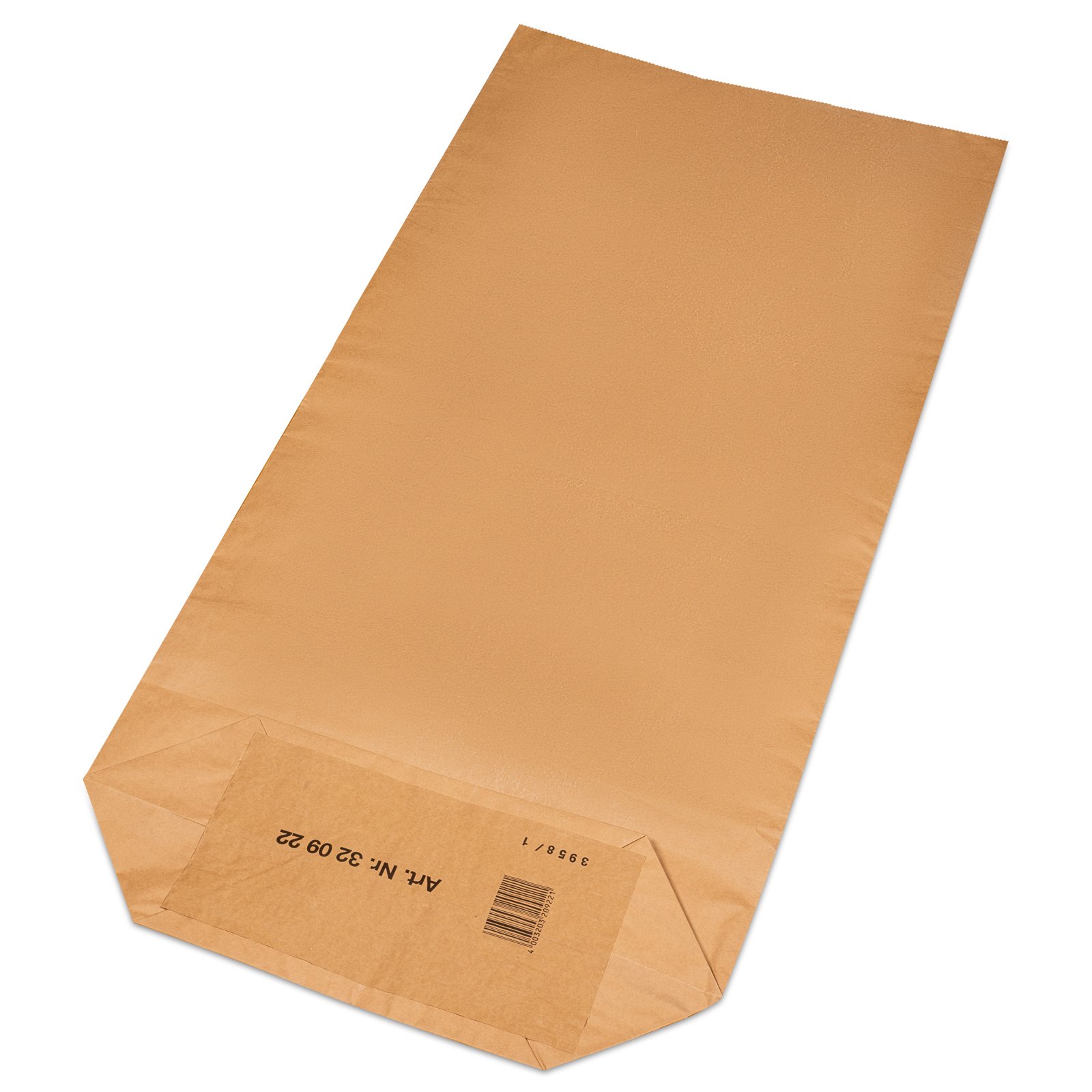
The core of the solution is packaging automation with the GOLEM FLEXI bagging machine, which doses the additives and packs them into 20–40 kg bags, depending on the product. But this is not a single machine. It is a complete setup in which several technologies have to work together precisely:

  • dosing and filling of the fine powder with the RACKET-S auger doser, without excessive dustiness,
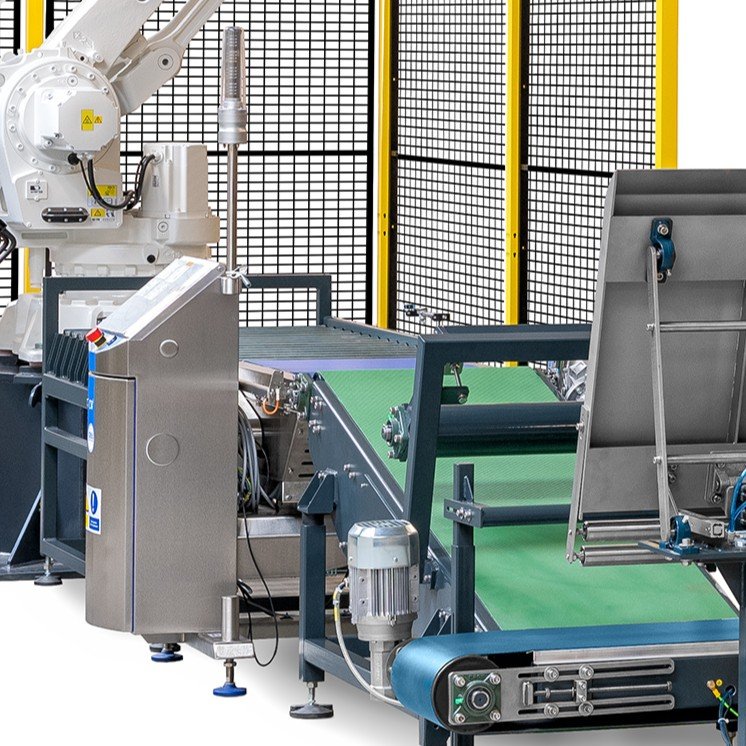
  • a LOMA checkweigher to verify the correct weight of every bag and reject bags outside the tolerance,
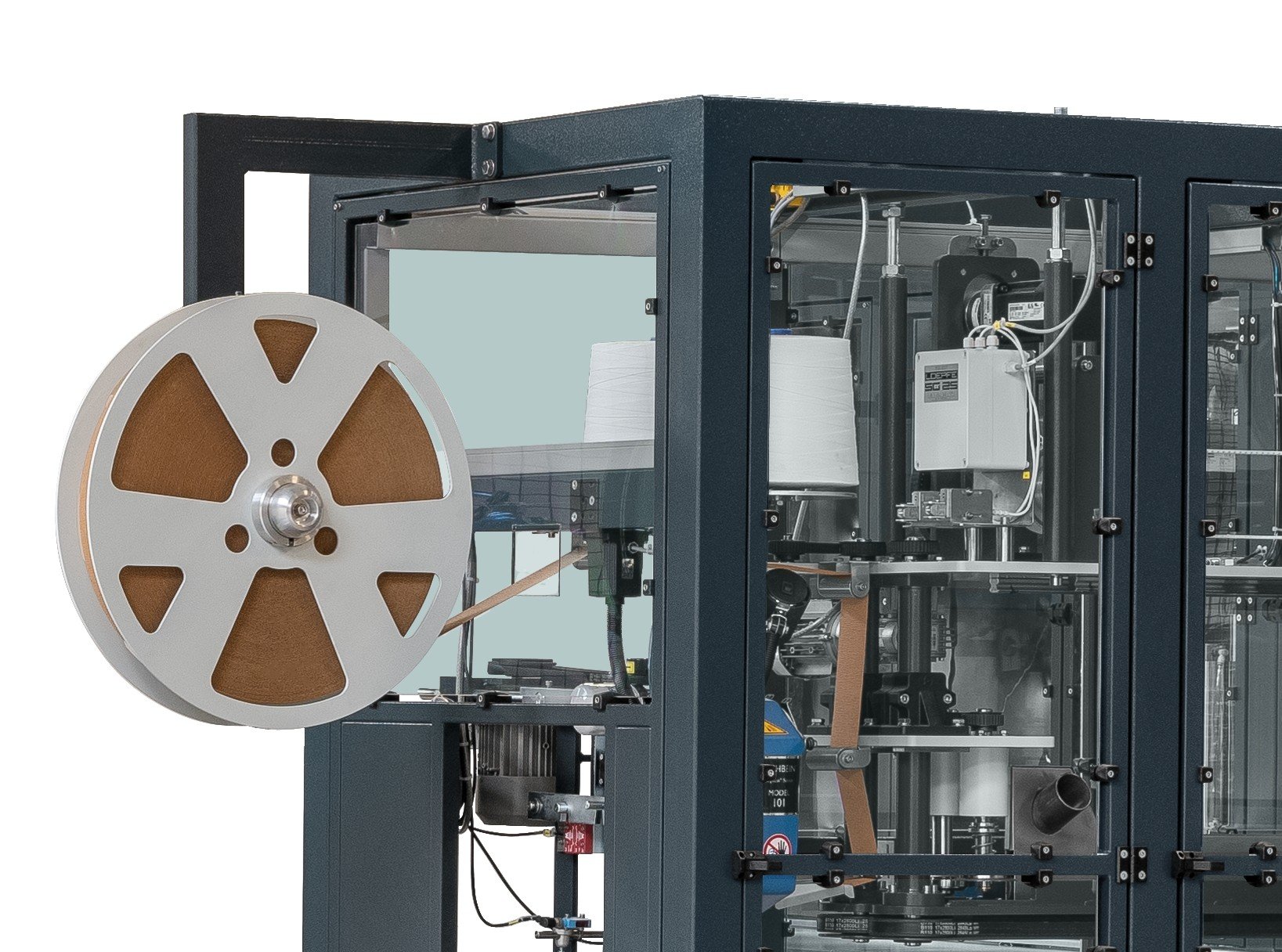
  • a Fischbein sewing head and crepe tape application for a reliable, neat bag closure,
  • robotic palletizing ROBO PAL to place the filled and closed bags onto the pallet at the end of the line

The main challenge was not the technology itself but the space. Our engineers therefore adapted the equipment to fit into the production area while remaining accessible for operators and maintenance.

The second challenge was dust. We solved it by fully enclosing the line and connecting it to mobile extraction.


What is the purpose of the checkweigher in the line

In this setup, the checkweigher is not just an “end-of-line check”. It weighs every bag and detects incorrectly filled ones, so an underweight bag, or one needlessly overfilled, never reaches the customer. Bags outside the tolerance are rejected from the line by a diverter.

Overfilling is also a hidden cost: every gram above the tolerance is product given away for free. The checkweigher keeps bag weight within limits, so there is no need to pack “with a safety margin, just in case”. With large volumes, even a small saving per bag adds up.

We cover how checkweighers and other inspection equipment work in detail in our article Inspection equipment in the Food Industry.


A visible detail: crepe tape and uniform bag height

Closing a bag is not just about the seam. Before sewing, the top of the bag is aligned to a uniform height and fitted with crepe tape.
There are three reasons for this:

  • all bags end up the same height (the top part is trimmed before the tape is applied),
  • the seam is tighter,
  • the bags look neater.

This is not cosmetics for its own sake: uniform, tightly closed bags stack better on the pallet and hold better in a stack.

At the end of the line, robotic palletizing picks up the finished bags and stacks them straight onto the pallet. Nobody has to lift a single bag, which closes the original problem of heavy manual handling.


Results: what changed compared to manual packing

Aspect

Manual packing

GOLEM FLEXI bagging machine

Output

limited by human speedsignificantly higher

Number of operators

3 operators/shift1 operator/shift 

Weight accuracy

fluctuating, tendency to overfillstable, controlled by the checkweigher, weight tolerance ± ? g [IF A FIGURE EXISTS, PLEASE ADD]

Dust at the workplace

highminimized (enclosure + extraction)

Physical strain and safety

high effort, risk during manual handlinglower strain, higher safety

Quality and costs

poorer bag closure quality, higher costs due to more operators and overfilling
 
higher bag closure quality, lower labor costs and lower raw material consumption thanks to accurate weighing

In general, the payback of packaging automation is calculated from labor savings, reduced overfilling and higher line throughput.


TEKRO reference

“I must praise the super-fast service and customer-oriented approach. Whenever we needed something, Mr. Houdek and his team accommodated us. The working environment for our employees has become much healthier and safer, and the work is no longer strenuous for them. Production output has increased significantly. We are happy with GOLEM.”

Michal Šenk, technologist, TEKRO

When to consider automating bagging

If you pack loose or dusty products by hand, automation is worth considering once you are dealing with any of the following:

  • physically demanding handling of heavy bags that is hard to staff,
  • a dusty environment and the related health and cleaning costs,
  • fluctuating package weight and unnecessary overfilling,
  • an output ceiling set by the speed of human labor,
  • the need to increase production,
  • the need for stable, documentable quality (checkweighers).

At TEKRO, almost all of these came together at once, which is exactly why a complete automatic solution made sense.


Facing a similar situation?

Get in touch. We will design a bagging line tailored to your product and your space, including checkweighing and dust extraction.


Frequently asked questions | FAQ

ARTICLE AUTHOR

Petr Houdek

Founder and Managing Director of NOMATECH, a salesman body and soul. He focuses on selling packaging equipment, especially in the Polish market and the Baltic states. In dealings with customers, he emphasizes personal contact, a fair approach and a real understanding of the needs of the specific operation. In his articles, he draws on experience from business negotiations and offers a practical view of what companies deal with when packaging and how to choose a suitable machine or complete packaging line. When he is not negotiating, he supports football and travels in a camper van.


Nahoru

This website uses cookies

This website is using cookies to provide services, personalize ads, and monitor traffic. By continuing to use this site you are agreeing with usage of cookies. More information.

Settings

Your privacy is important. You can choose from the cookie settings below. More information.