Search term must have more than 2 characters.

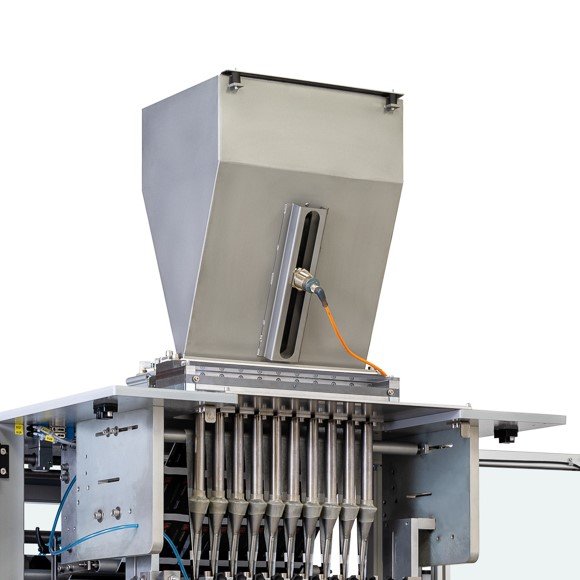
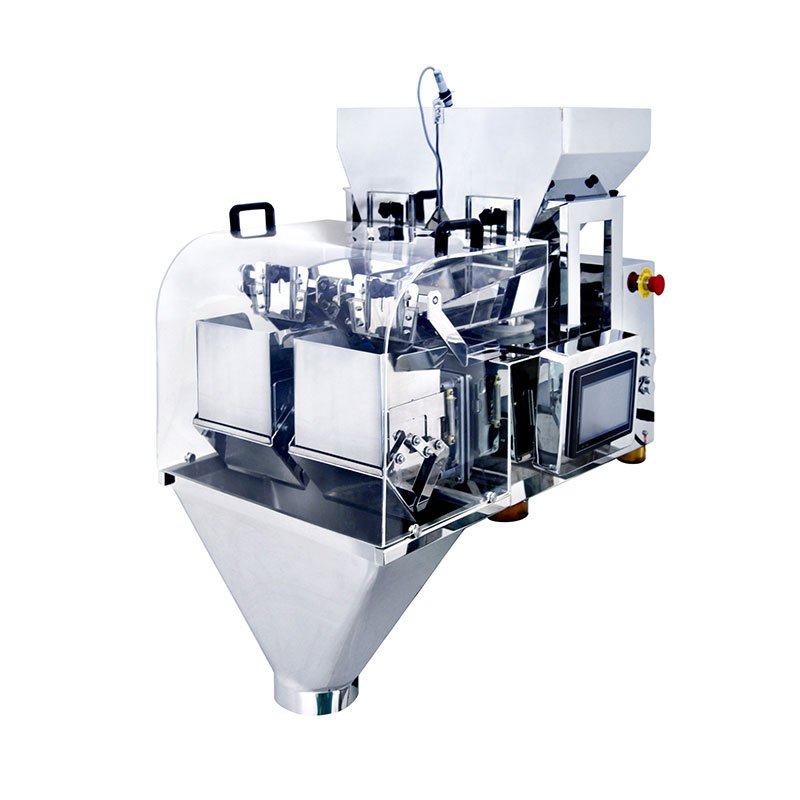
CHW210
MULTIHEAD WEIGHERS FOR FAST AND PRECISE DOSING
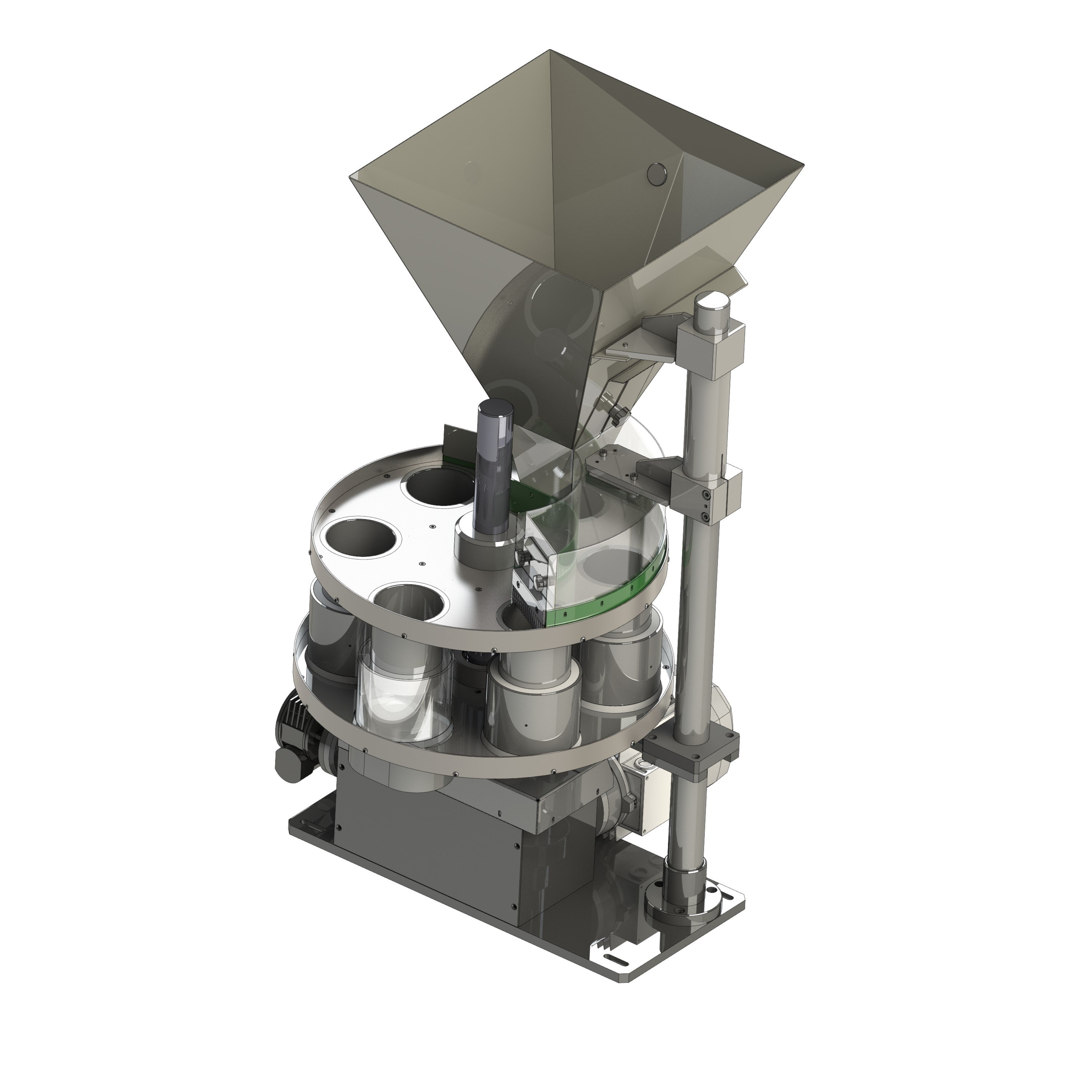
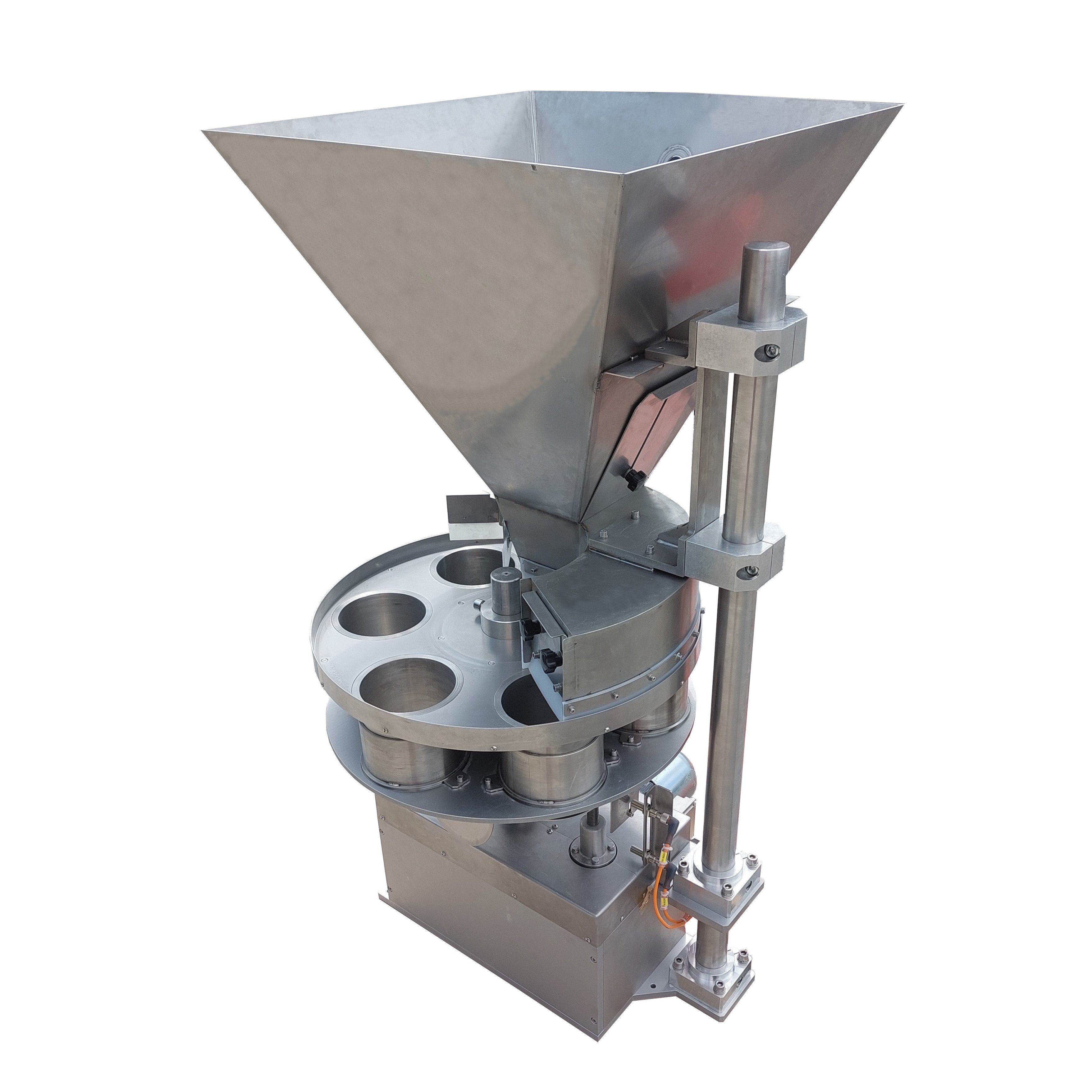
RACKET OT
VOLUMETRIC FRICTION DOSING UNIT FOR LOOSE PRODUCTS
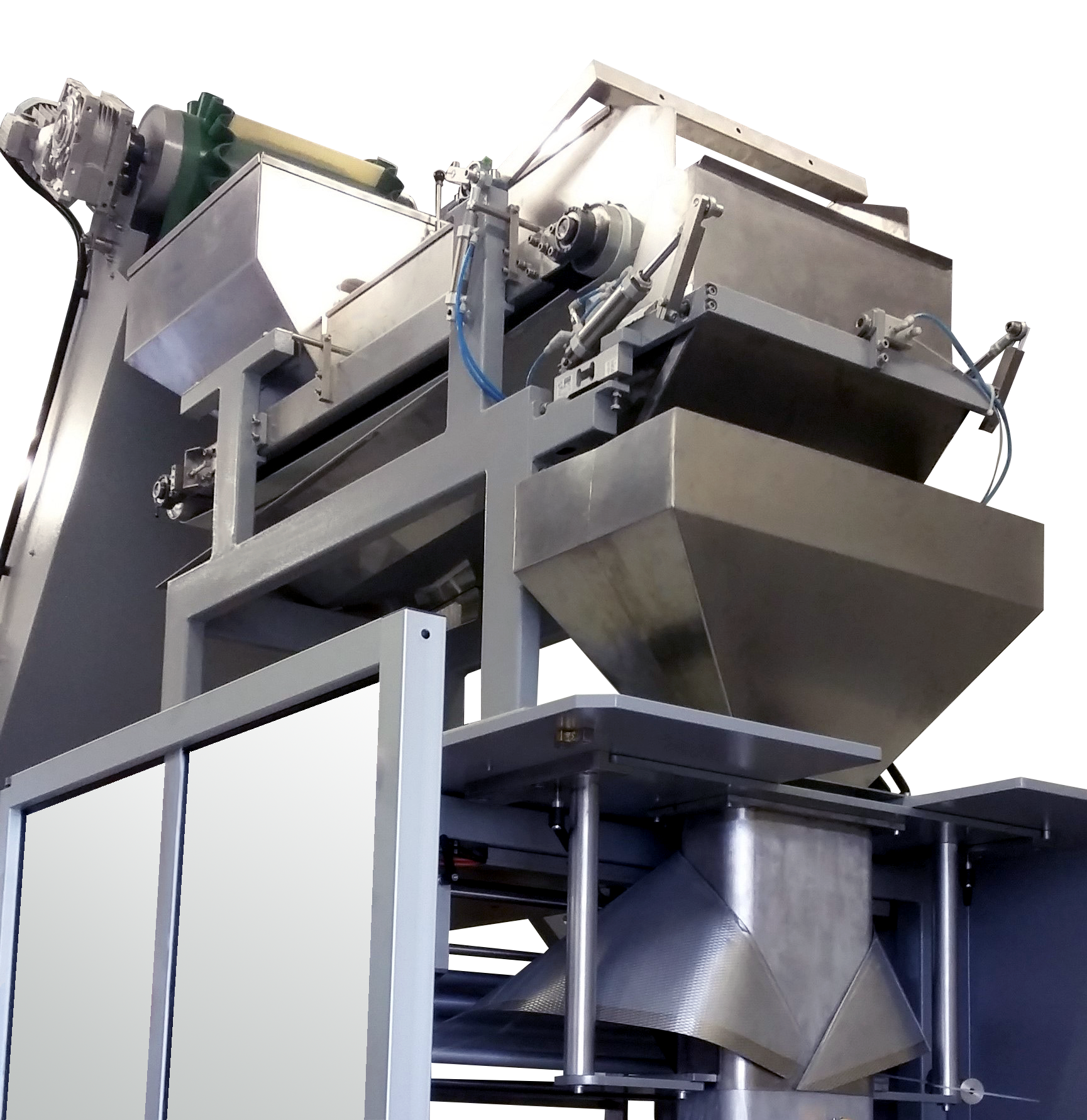
RACKET OS
VOLUMETRIC SLIDE DOSING UNIT FOR LOOSE PRODUCTS
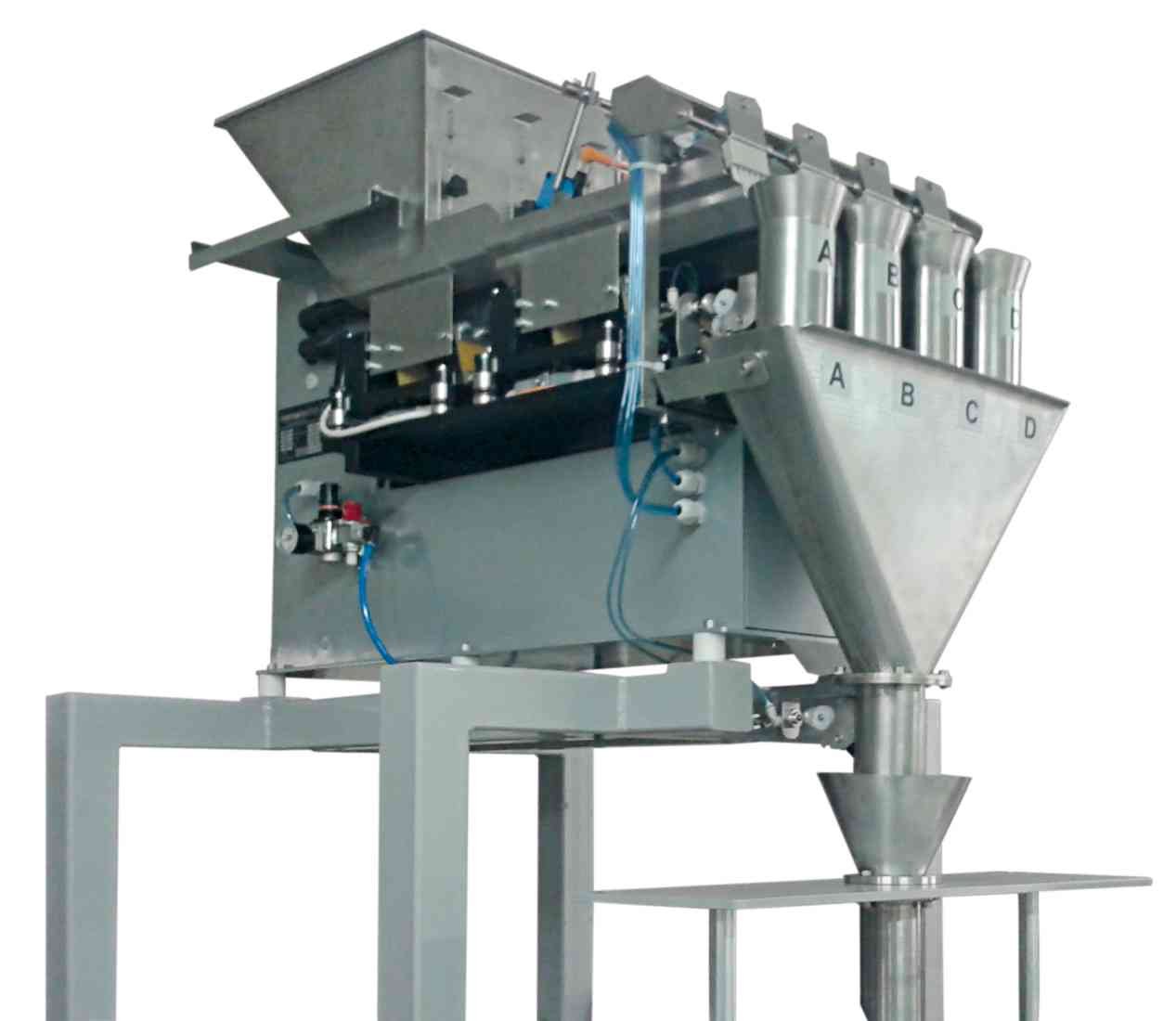
RACKET OK / RACKET OK extra
VOLUMETRIC FLAP DOSING UNIT FOR LOOSE PRODUCTS
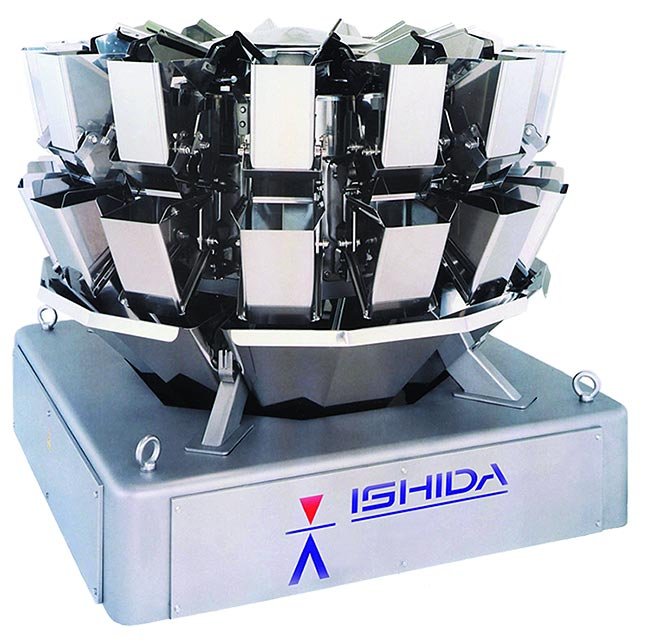
ISHIDA
MULTIHEAD WEIGHERS
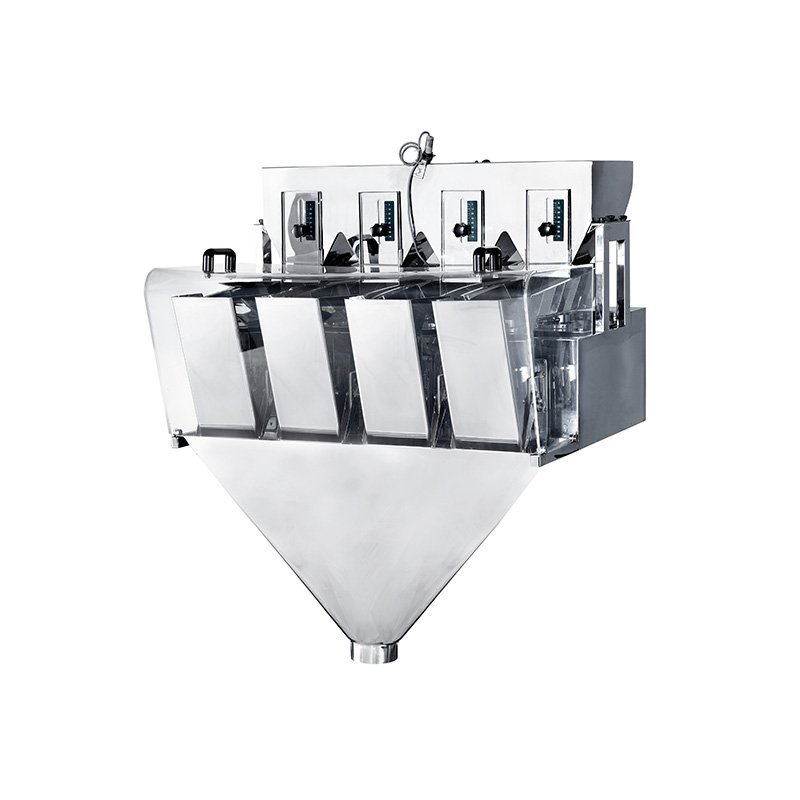
CHW214
MULTIHEAD WEIGHERS FOR FAST AND PRECISE DOSING
RACKET DVM
MICRO ELECTRONIC LINEAR WEIGHERS FOR SMALL DOSES
RACKET LW2
LINEAR BELT WEIGHTS FOR BULK, GRANULATED AND PIECE GOODS
RACKET LW4
LINEAR WEIGHTS FOR BULK, GRANULATED AND PIECE GOODS
RACKET DVP
ELECTRONIC LINEAR BELT WEIGHERS
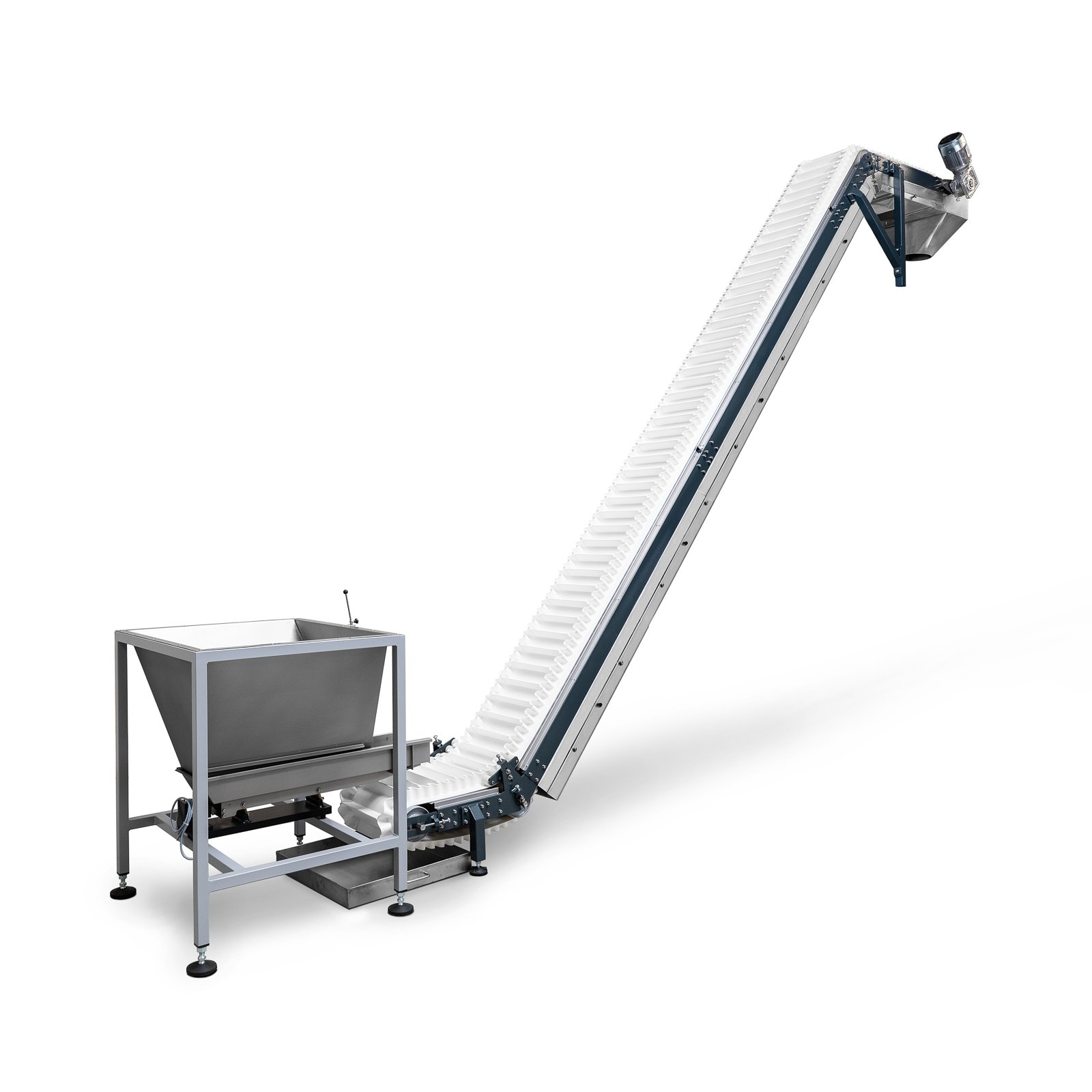
CAB-Z
TRANSPORT OF PIECE AND LOOSE PRODUCTS INTO HOPPER VIA BELT
RACKET DTP | LIQUIDS
DOSING PUMP FOR LIQUIDS AND PASTES
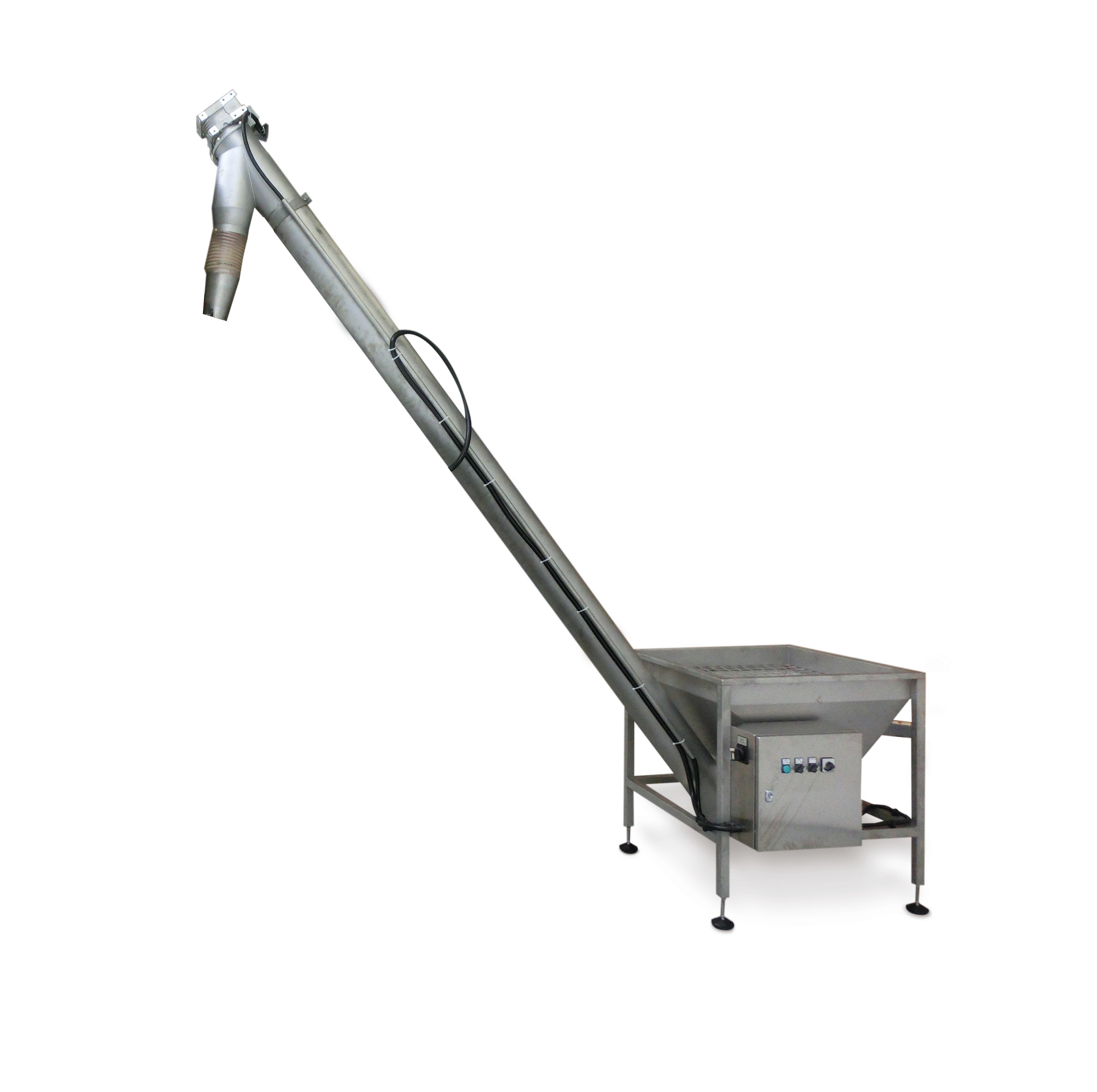
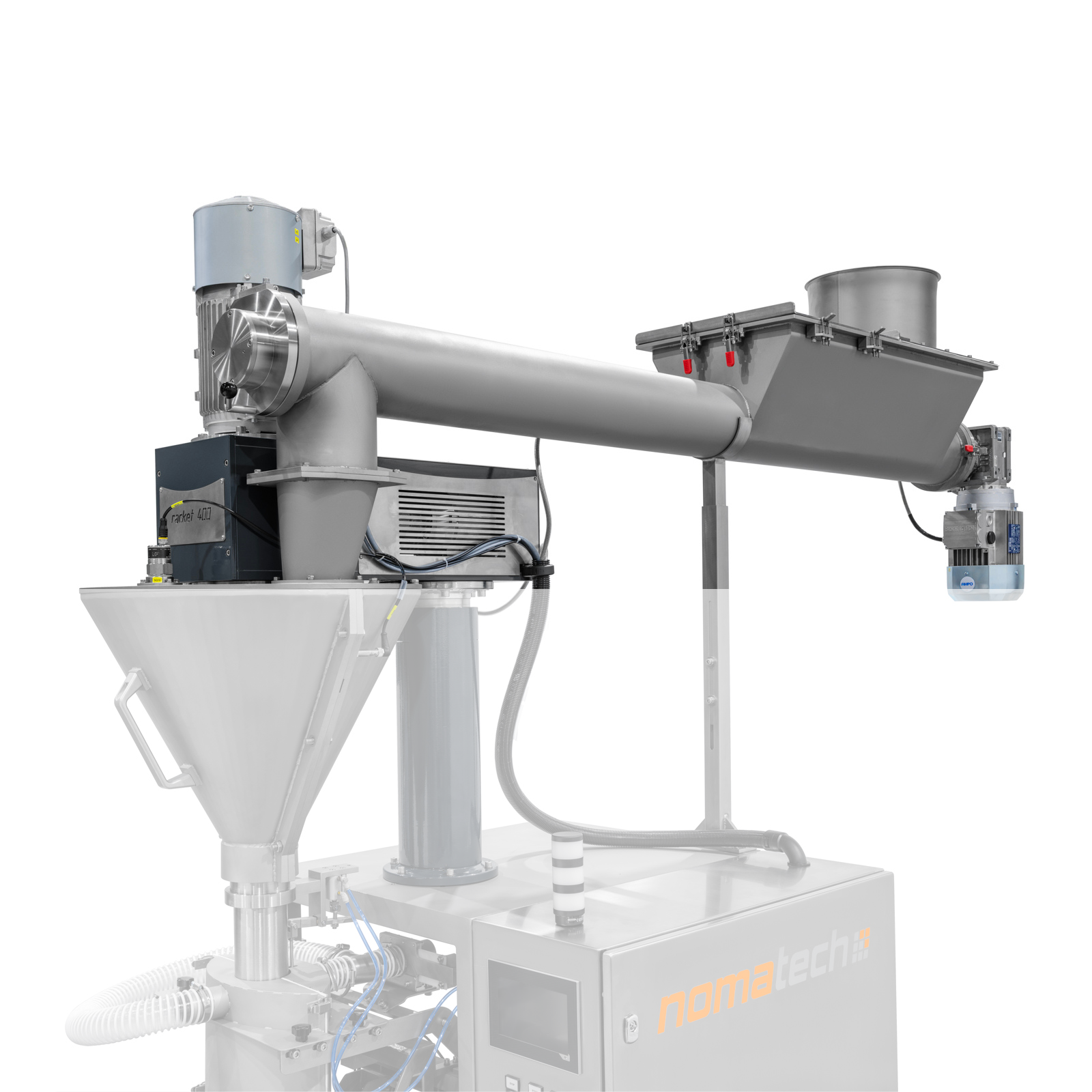
CAB-S
TRANSPORT OF LOOSE AND POWDER INTO HOPPER VIA AUGER
CAB-OD
REMOVAL OF GOODS FROM PACKAGING MACHINE FOR FURTHER MANIPULATION
CAB-ZB
TRANSPORT OF PIECE AND LOOSE PRODUCTS VERTICALLY USING BUCKETS TO THE HOPPER OF THE PACKAGING MACHINE
Our offer includes robust and flexible dosing technologies – from volumetric and screw feeders to vibrating hoppers and electronic scales. Together with conveyors, we design complete solutions for precise and smooth dosing of bulk, lump or powder materials. Our systems are designed for the food, chemical, pharmaceutical and other industries, with an emphasis on hygiene, reliability and easy cleaning. Thanks to synchronization with packaging equipment and process automation, you will significantly increase efficiency and minimize losses.
Frequently asked questions | FAQ
DOSING SYSTEMS
-
What types of dosing systems do you offer? Auger, volumetric, and belt feeders; multihead and linear weighers; liquid pumps. Each suits different products.
-
Can one dosing system be used for all products? No. Each product has different properties and bulk density. The dosing system is always selected accordingly.
-
Difference between auger and volumetric dosing? Auger: ideal for powders
Volumetric: suitable for granules and free-flowing materials -
Which dosing systems work with sticky or hygroscopic products? Auger feeders (often with agitators) for powders
Piston pumps (heated or coated) for pastes/liquids -
How do multihead weighers work?
They weigh small portions in multiple heads and combine them to reach the target weight with high precision and speed.
-
How is dosing accuracy ensured? By selecting the right dosing system and optionally adding a checkweigher with automatic rejection and feedback control.
-
Can multiple dosing systems be used on one machine? Yes, if mechanical, control, hygiene, and space conditions are met.
-
How are dosing systems cleaned?
Dry products: vacuum, air, or wipe.
Liquid systems: water with approved cleaning agents. -
What to consider when selecting dosing equipment? Correct selection is critical. Product samples are required for testing before contract finalization.
-
What are the most common mistakes when designing packaging lines?
The most common mistakes in packaging line design are:
- Insufficient adaptation of the machine to the product type – each product requires a specific type of packaging and dosing equipment. If product samples and packaging materials are not available, it is easy to configure unsuitable equipment.
- Underestimating the required line capacity and speed.
- Incomplete line configuration – failure to include certain auxiliary equipment (marking systems, package inspection systems, etc.).
- Overlooking hygiene and safety requirements.
- Difficult maintenance due to poor accessibility.
- Proper design requires a detailed analysis of the product, production volume, and operating space to ensure that the line is efficient, safe, and easy to maintain.
Frequently asked questions | FAQ
COVEYING SYSTEMS
-
What conveyors are suitable for food transport? Unpacked food: stainless steel (AISI 304/316L) + food-grade belts
Packed food: standard painted conveyors are sufficient -
Can conveyors integrate with inspection systems? Yes (X-ray, checkweighers, etc.).
-
What conveyor types do you offer?
Infeed, transfer, connecting and outfeed conveyors.
Belt, modular, bucket, screw, roller.
Straight, Z-shaped, L-shaped, or custom designs. -
Which conveyor is suitable for transporting bulk materials? For bulk materials without significant abrasiveness, a Z-type conveyor with transverse carriers is suitable. For very dusty materials, we recommend using hermetically sealed screw conveyors.
-
What is the main difference between a belt conveyor and a modular conveyor?
A classic belt conveyor uses a smooth PVC or PU belt. It is universal and can be equipped with carriers or function without them, depending on the specific application, but its repairs tend to be more complicated.
A modular conveyor is made of plastic segments, which makes it more durable, more hygienic and allows for curves. For larger modernizations, it is often worthwhile to design a solution for the entire line, as older systems can cause synchronization problems.
-
Is it possible to connect the conveyors to an existing packaging line? Yes, our conveyor systems can be connected to existing packaging technology and new NOMATECH equipment. Thanks to standard communication protocols, integration into automated lines is easy. However, we usually achieve the best results when delivering the complete line as one functional system.
-
How long does a modular conveyor last? With regular and proper maintenance, a modular belt can last 5 to 10 years, which is up to three times longer than conventional PVC belts.
Didn't find the answer?
Write to us using the form below. We will get back to you within 1-2 business days.