Upravit stránku

1. Infeed conveyors – the foundation of a smooth supply

The task of in-feed conveyors (in-feed systems) is to ensure a continuous supply of product to the packaging or filling machine. Automation of material supply eliminates the human factor and increases labor productivity by an average of 30% (source: IFR). A continuous flow without micro-stoppages is what ultimately determines the overall efficiency (OEE) of your production.

Z-type belt conveyors (CAB-Z): the most popular choice for bulk and piece goods (pasta, biscuits, pet food). Thanks to their angled design, they save space and allow the product to be elevated directly above the hopper of the packaging or filling machine.

Screw conveyors (CAB-S): essential wherever powdered products (flour, ground coffee, chemicals) must be transported to the hopper of a packaging machine. The enclosed tube protects both operational cleanliness and the product itself from contamination while preventing dust from escaping into the surrounding environment.

Bucket conveyors (CAB-ZB): transport piece and bulk goods vertically into the hopper of a packaging machine. They are not demanding in terms of space.


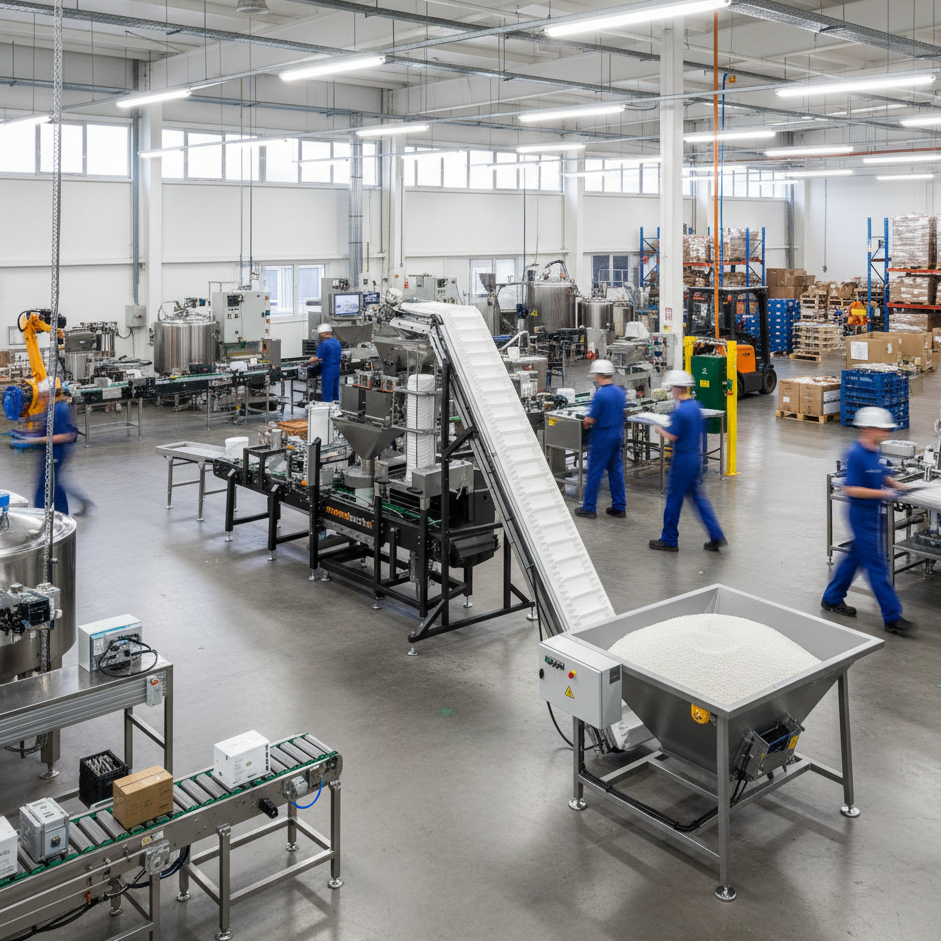
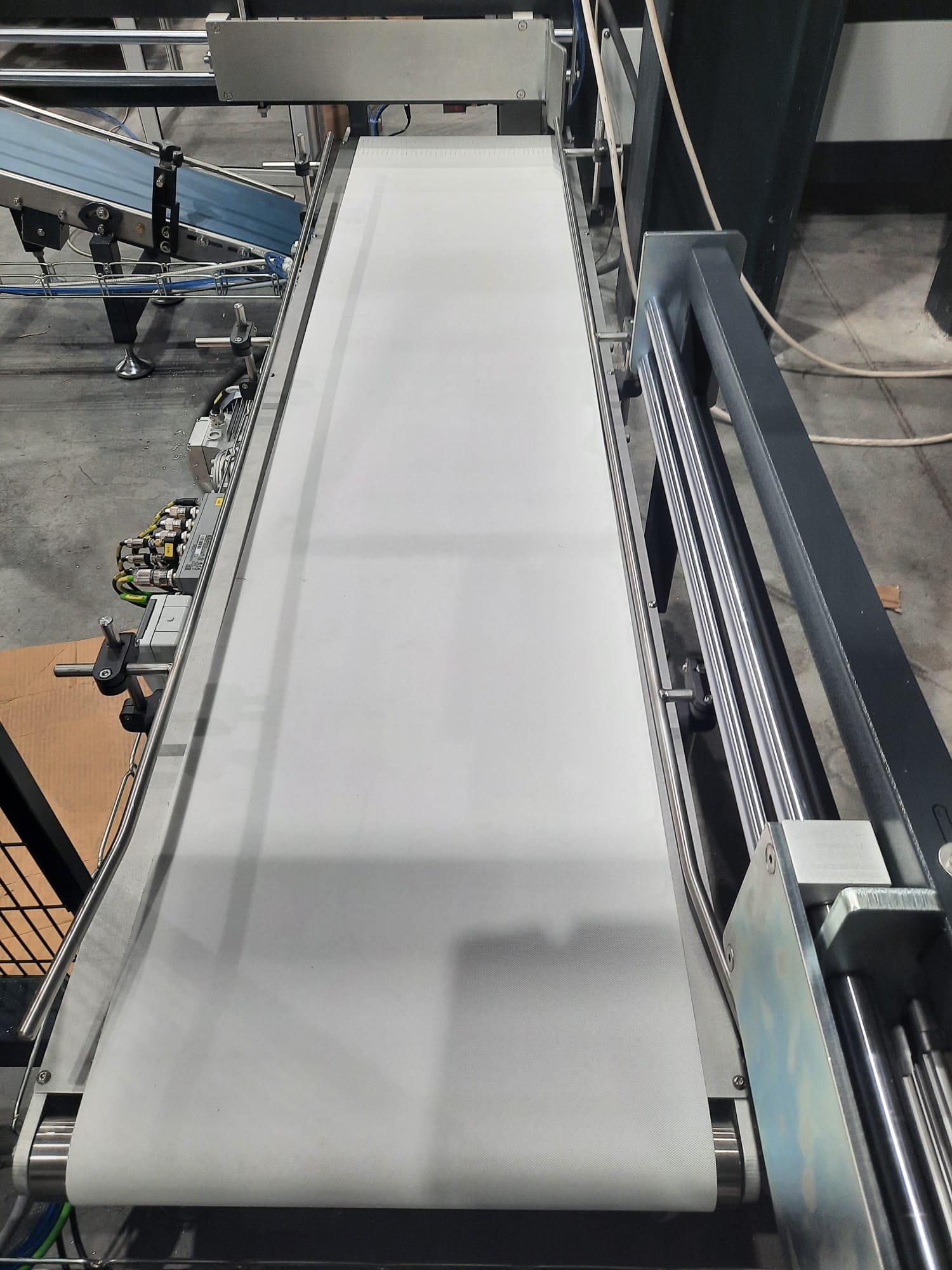
CAB-Z feeding belt conveyor with compartments and VN vibrating hopper. Infeed of goods from the hopper to the dosing device
Feeding belt conveyor CAB-Z
Tip from practice: For non-dusty bulk materials, we use belt conveyors with cleats (cross flights), whose conveyor belts are designed to prevent product slipping when operating at steeper inclines.

2. Modular conveyors – the first choice for hygiene and flexibility

If you are looking for a solution that “survives everything,” modular conveyors are the answer. Unlike traditional rubber belts, they consist of durable plastic modules.

When should you choose a modular system?

  • In the food industry: The modules are resistant to chemicals and hot water, which simplifies sanitation according to EHEDG and FDA standards.
  • In complex spaces: Modular belts allow curves and inclines to be created within a single continuous track.
  • For demanding service conditions: If the belt is damaged, the entire belt does not need to be replaced - only the damaged modules. This significantly shortens service downtime.
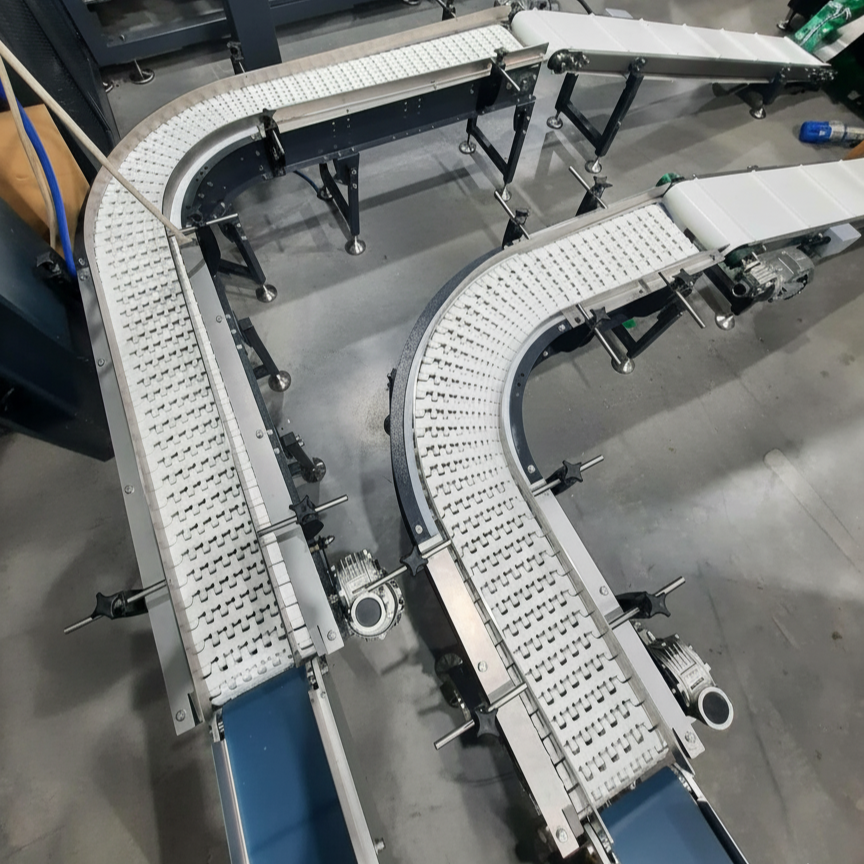
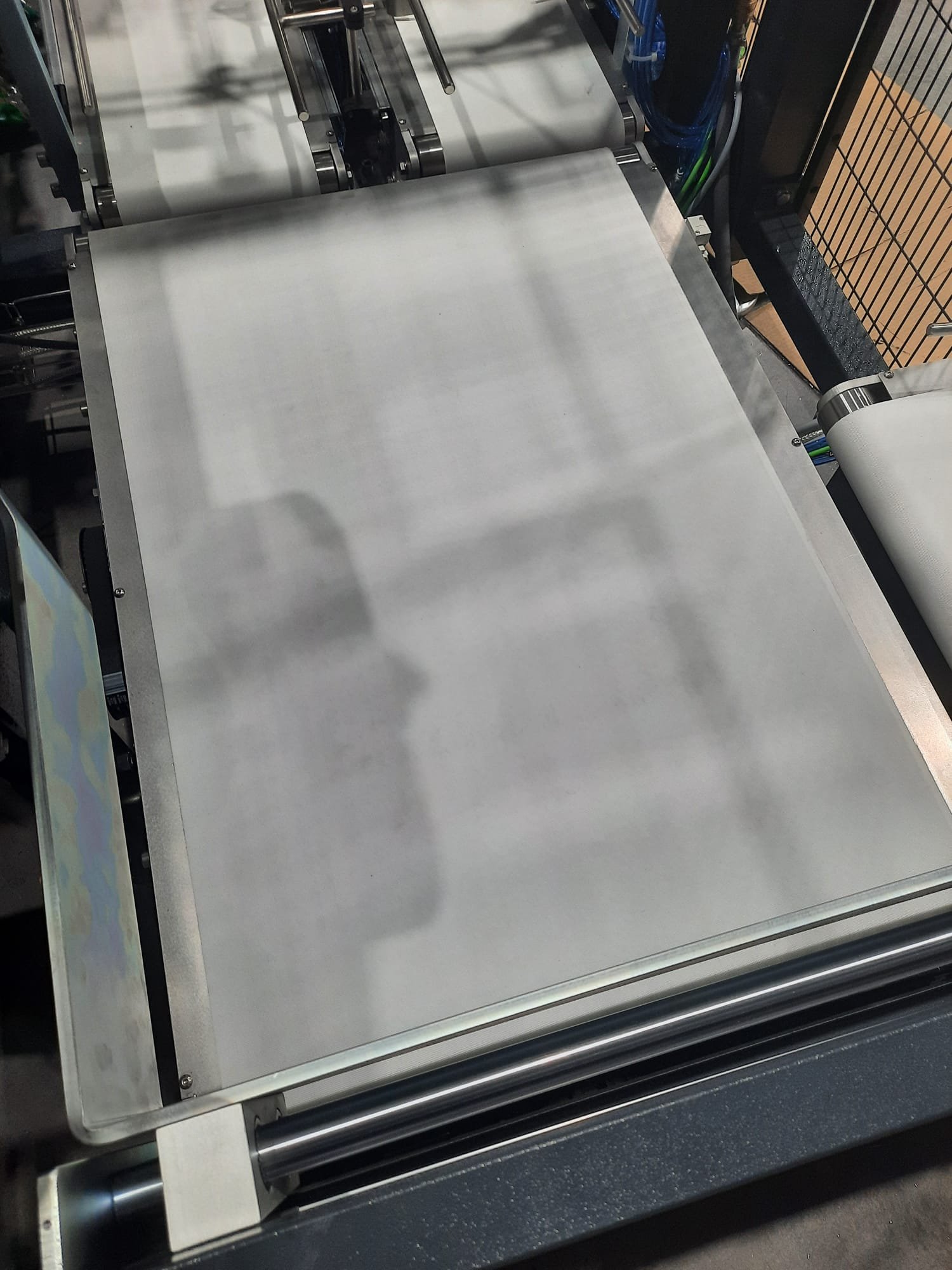
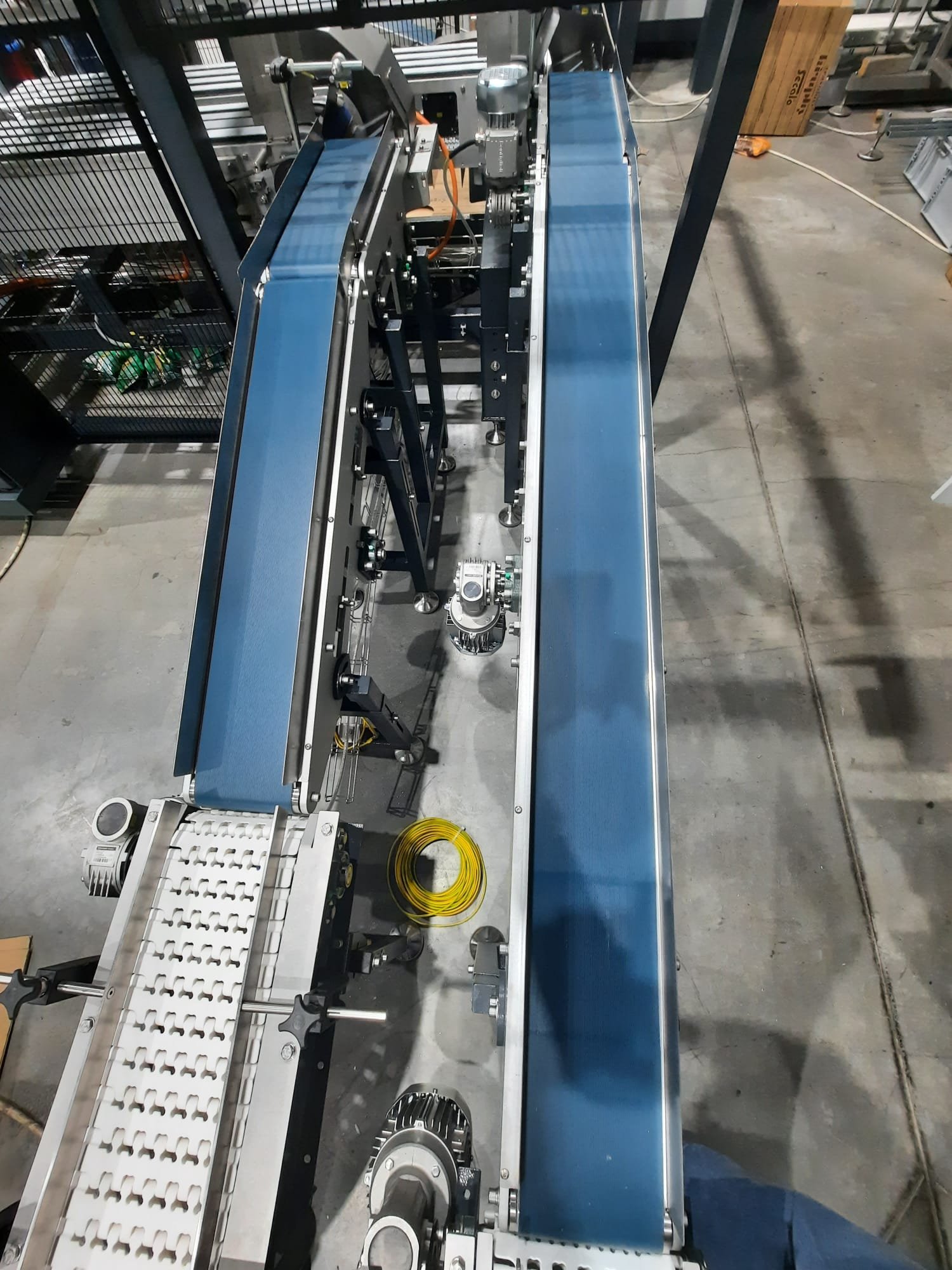
Modular conveyor - bend - connecting the CAB-OD output belt conveyor and the connecting belt conveyor.
Modular conveyor

Planning a new packaging line or production modernization?

We will design a complete solution including all conveyors—from product in-feed to palletizing. Contact NOMATECH specialists.


3. Outfeed conveyors – safe transfer to further handling

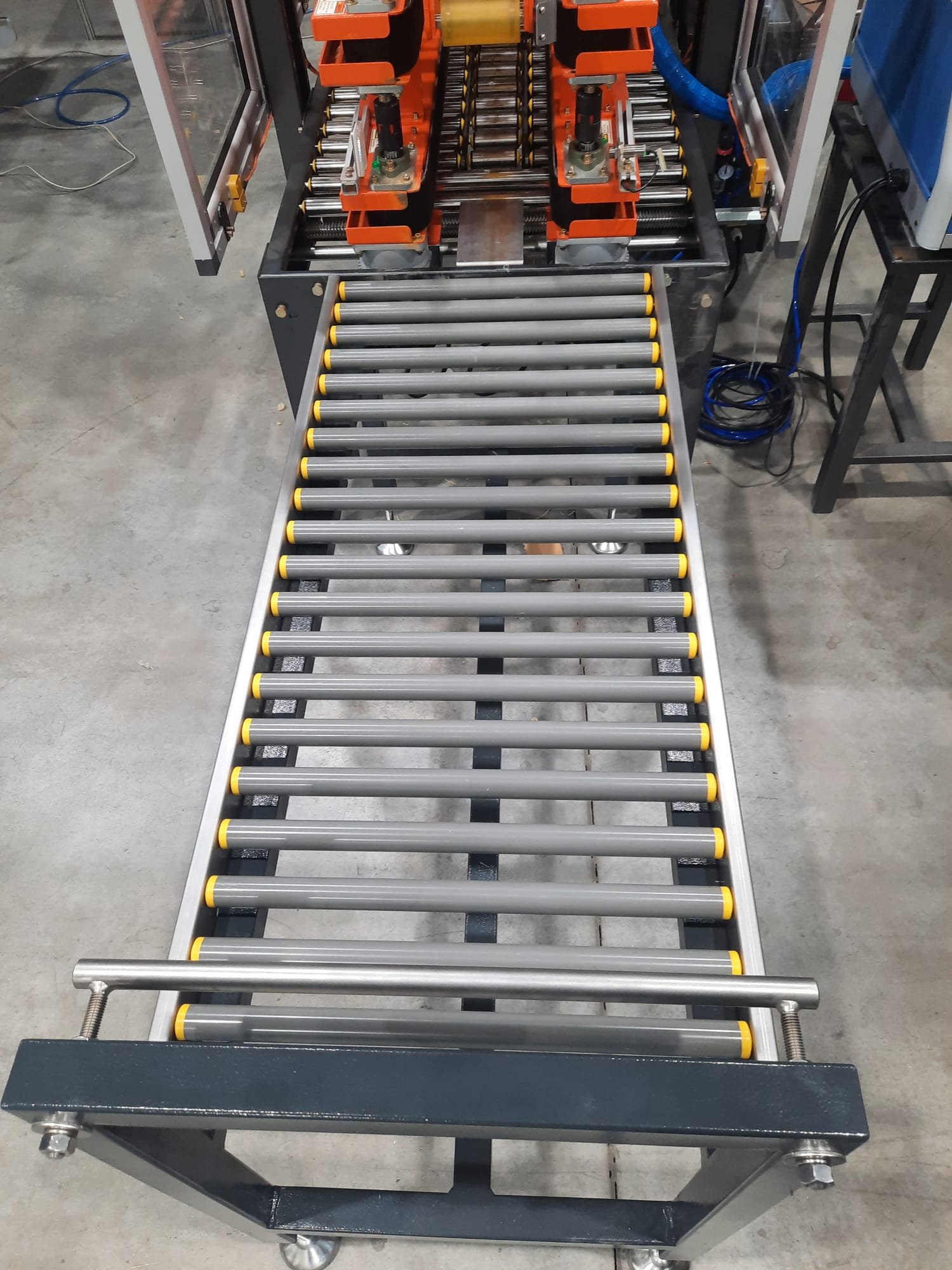
The final link in the chain, the out-feed conveyor, ensures the transport of finished and sealed packages. CAB-OD belt out-feed conveyors or roller conveyors from NOMATECH are designed to operate in perfect synchronization with the cycle of the packaging machine.

Out-feed belt and roller conveyors are often a key point for integrating inspection elements such as checkweighers, metal detectors, and X-ray systems, as well as accumulation rotary tables and robotic solutions (palletizing, handling).

A properly designed out-feed conveyor therefore ensures not only the transport of filled packages, but also quality control and continuity with subsequent logistics operations.

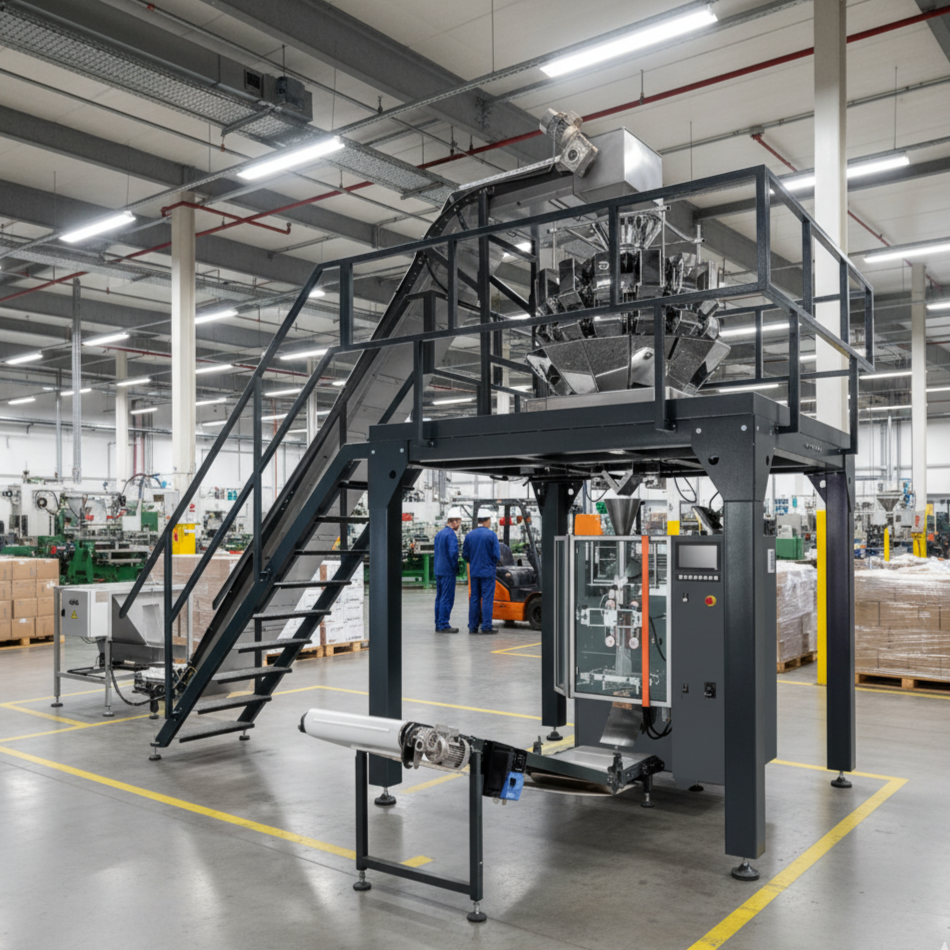
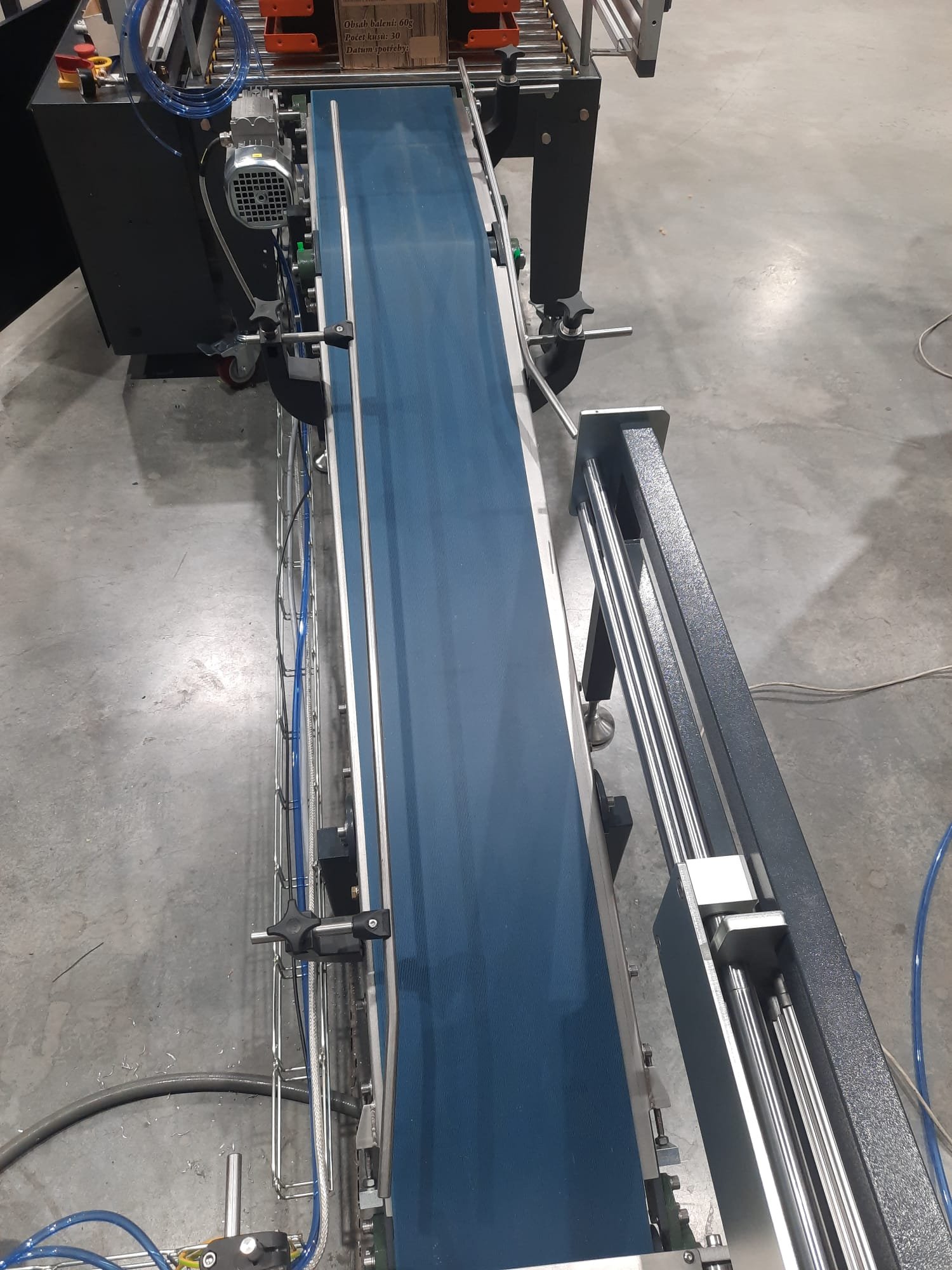
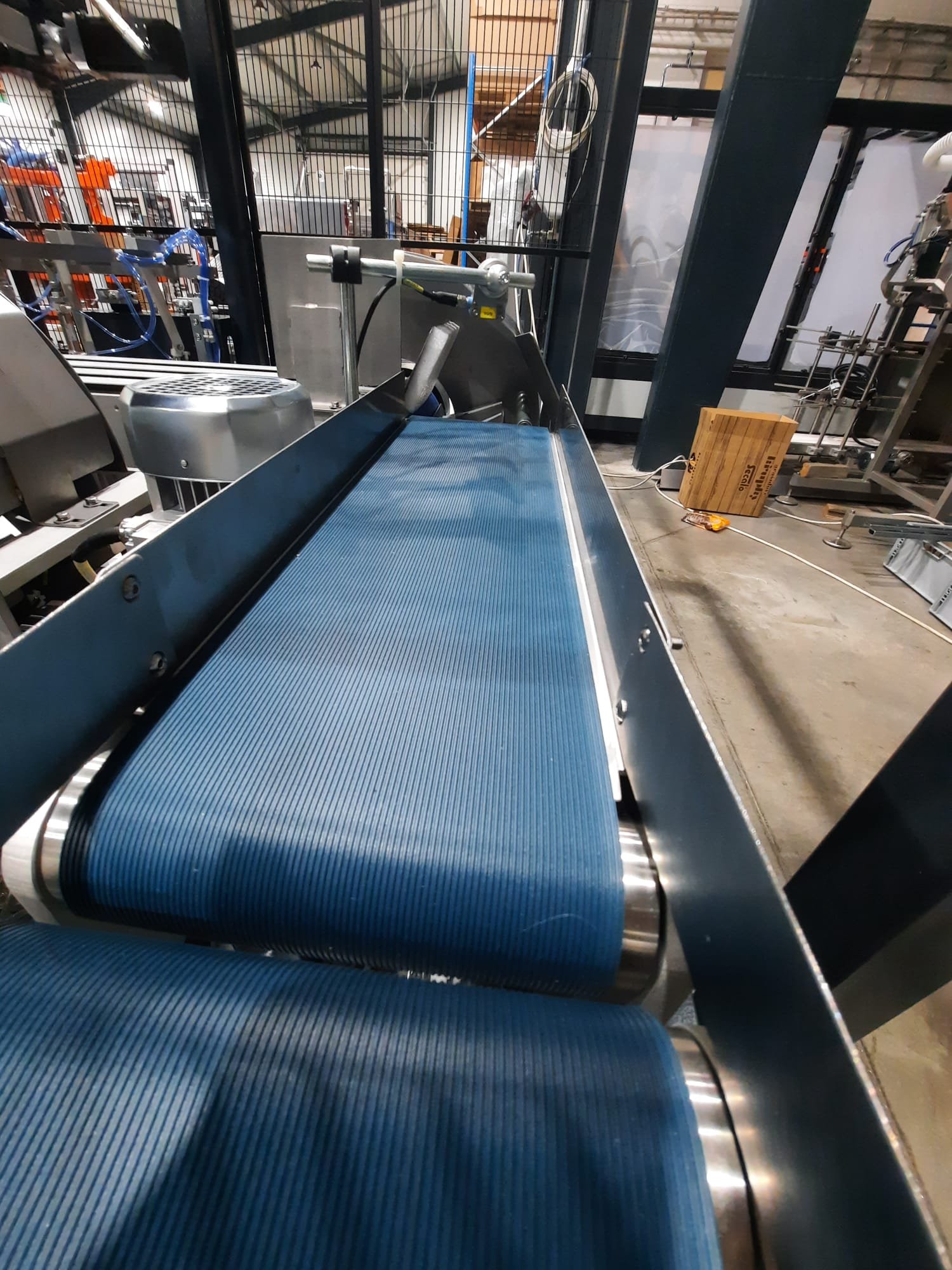
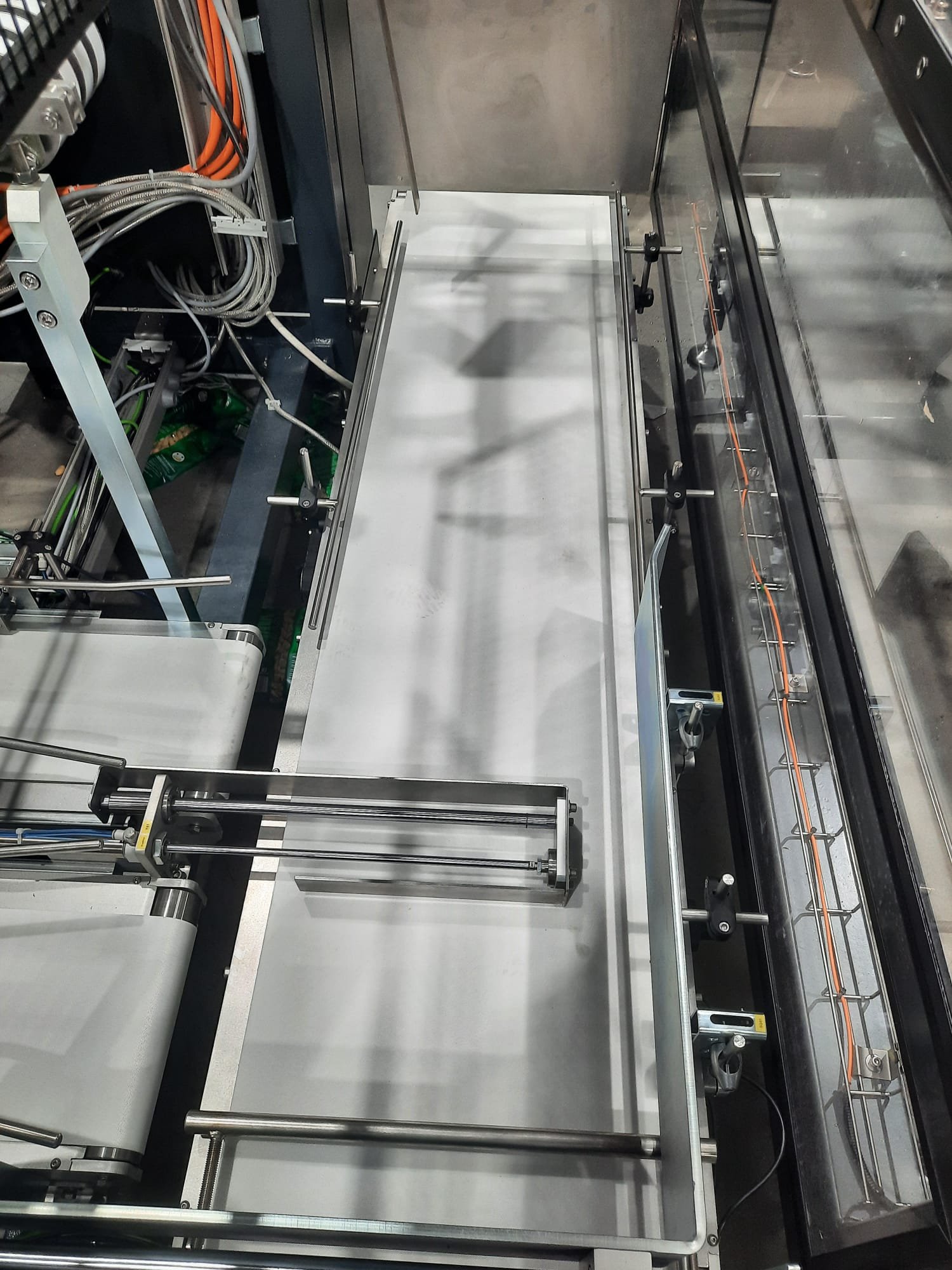
Exit belt conveyor CAB-OD, vertical packaging machine TOBOGAN 250S and infeed belt conveyor CAB-Z - the basic ideal combo
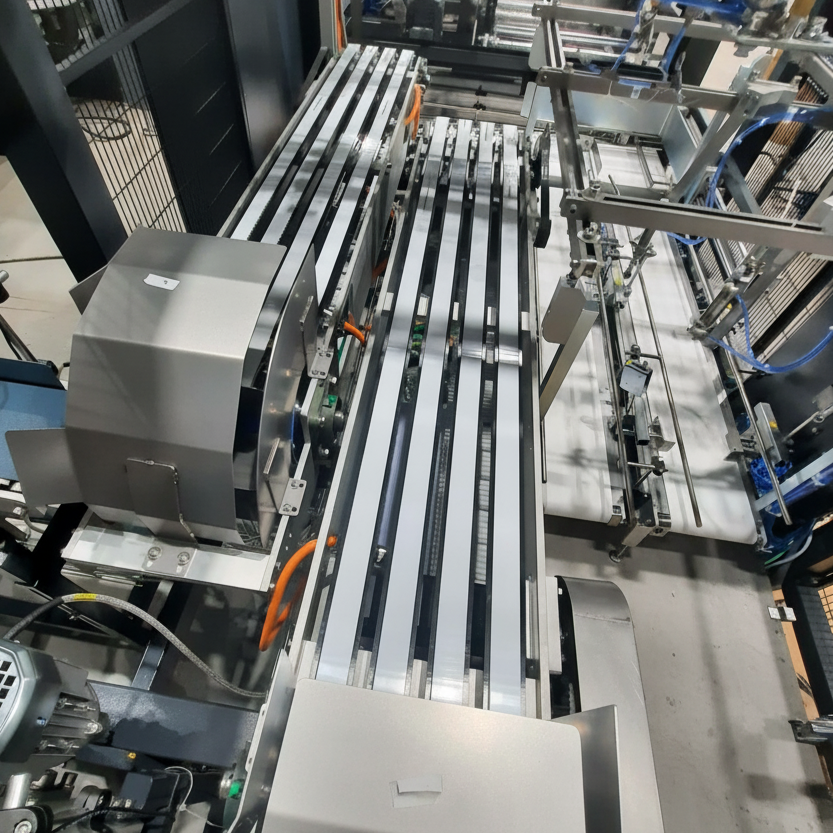
Outfeed belt conveyor CAB-OD and infeed belt conveyor CAB-Z

4. Connecting conveyors – essential for logical and smooth flow

An integral part of complete packaging lines are connecting conveyors, which ensure a smooth and logical flow of products between individual devices in the packaging line (e.g., between the packaging machine and labeling equipment, a checkweigher, or an X-ray system). They are always designed individually according to the specific technology configuration, required capacity, and spatial constraints of the facility. Depending on the application, they may be belt, roller, or modular conveyors.

Tasks of connecting conveyors:

  • product or packaging transport
  • balancing differences in machine speeds
  • compensating for height differences
  • allowing product accumulation
  • ensuring the stability, efficiency, and smooth operation of the entire system.

In practice, these “inconspicuous” components often determine whether a line functions as a harmonious whole or as a set of isolated machines.


5. What to watch out for when choosing a conveyor?

When integrating a conveyor system into a packaging line, it is important to consider:

  • Product characteristics: Is the product greasy, abrasive, dusty, or very lightweight? This determines the conveyor type as well as the materials used (stainless steel, painted structure, conveyor belts made of PVC or polyurethane, etc.).
  • Capacity vs. speed: The conveyor must be synchronized with the output of the packaging or filling machine. A conveyor that is too fast can damage the product, while one that is too slow will cause congestion.
  • Industry of use: For the food industry, stainless steel constructions that allow wet cleaning are the standard. In other industrial sectors, painted constructions may be sufficient.
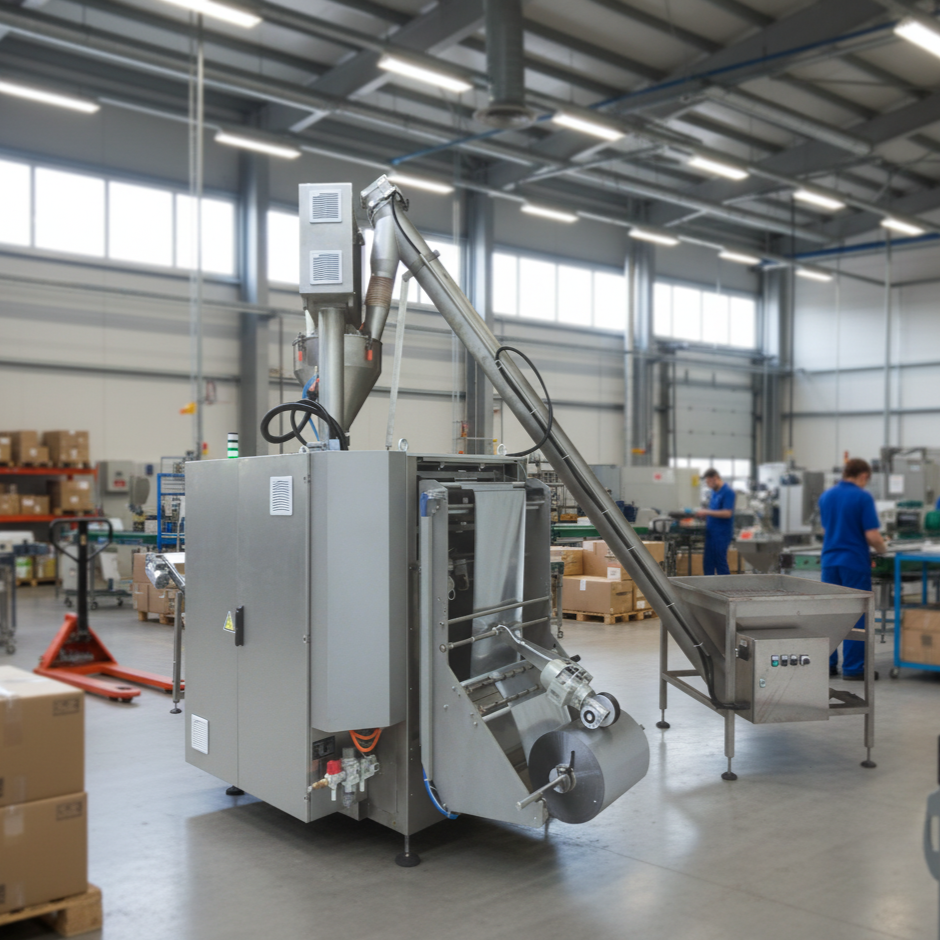
CAB-S infeed auger conveyor with vibrating hopper feeding product into the RACKET-S auger doser on the TOBOGAN 250S vertical packaging machine.
Infeed auger conveyor CAB-S

Why entrust a complete packaging line solution to NOMATECH?

At NOMATECH, we design and deliver comprehensive solutions tailored to your operation. Conveyors are not typically supplied as standalone machines but exclusively as part of a complete packaging line.

Advantages of a single supplier:

  • one supplier = one responsibility
  • no disputes between manufacturers and suppliers of other equipment
  • shorter project implementation
  • lower risk during commissioning.

Every element of the line—from product in-feed, weighing and dosing, through packaging, cartoning, inspection, to the removal of finished products—is designed to form a perfectly coordinated system. Thanks to this, we take responsibility for the functionality of the whole, synchronization of performance, and seamless integration of all components.

The result is a reliable, efficient, and fully integrated solution from a single source.


Do not look for suppliers of individual machines. Solve the entire system.

Contact our NOMATECH specialists and get a proposal for a complete packaging line including all conveyors—fully synchronized, efficient, and ready for long-term operation.


Frequently Asked Questions (FAQ) for choosing the right conveyor

  • Which conveyor is suitable for bulk materials?
    For non-abrasive bulk materials, a Z-type conveyor with cross cleats is ideal. For very dusty products, we recommend hermetically sealed screw conveyors.
  • What is the difference between a classic belt conveyor and a modular conveyor?
    A classic belt conveyor uses a smooth belt (PVC/PU), has wide universal use, and can be used with or without cleats depending on the application, but it is more difficult to repair. A modular conveyor is composed of plastic modules, is more durable, more hygienic, and allows curves to be created. In the case of extensive modernization, it is often more effective to design the solution as a whole. Outdated lines are often a source of synchronization problems.
  • Can conveyors be integrated with an existing packaging line?
    Yes, our conveyor lines can connect your existing packaging solution with new NOMATECH equipment. Thanks to standard communication protocols, they can be easily integrated into automated lines. However, the most effective result is achieved when delivering the complete line as one functional unit.
  • What is the lifespan of a modular conveyor?
    With proper maintenance, the lifespan of a modular belt is 5–10 years, which is up to three times longer than standard PVC belts.

Nahoru

This website uses cookies

This website is using cookies to provide services, personalize ads, and monitor traffic. By continuing to use this site you are agreeing with usage of cookies. More information.

Settings

Your privacy is important. You can choose from the cookie settings below. More information.